DIY vs Pro Risks
Why DIY Sod Laying in High-Desert Wyoming Fails Within 3 Weeks
The short answer
The four mistakes that kill DIY sod in high-desert Wyoming within weeks, from under-tilling hardpan to under-watering, and how professional prep guarantees turf.
Sod looks like the easy button for a new lawn: unroll green carpet, water it, done. In high-desert Wyoming, that optimism often turns brown within three weeks. The sod itself is rarely the problem. It is what happens before, during, and right after installation that decides whether a lawn takes or fails, and most DIY jobs stumble on the same handful of steps.
At EZ Dayz Landscaping, we install sod across Rock Springs and out to Clearview Acres, and we have been called in to replace plenty of failed DIY attempts. This guide walks through the four mistakes that kill sod fastest here, so you understand why proper prep matters and what separates a guaranteed lawn from an expensive disappointment.
In this guide
- Mistake 1: Under-Tilling Compacted Alkaline Hardpan Ground
- Mistake 2: Failing to Roll Sod (Air Pockets Baking Roots)
- Mistake 3: Under-Watering During the Critical First 14 Days
- Mistake 4: Laying Sod Too Late in Autumn Before Deep Freeze
- How Professional Laser Grading and Soil Conditioning Guarantees Turf
- Get Guaranteed Sod Installation from EZ Dayz
Mistake 1: Under-Tilling Compacted Alkaline Hardpan Ground
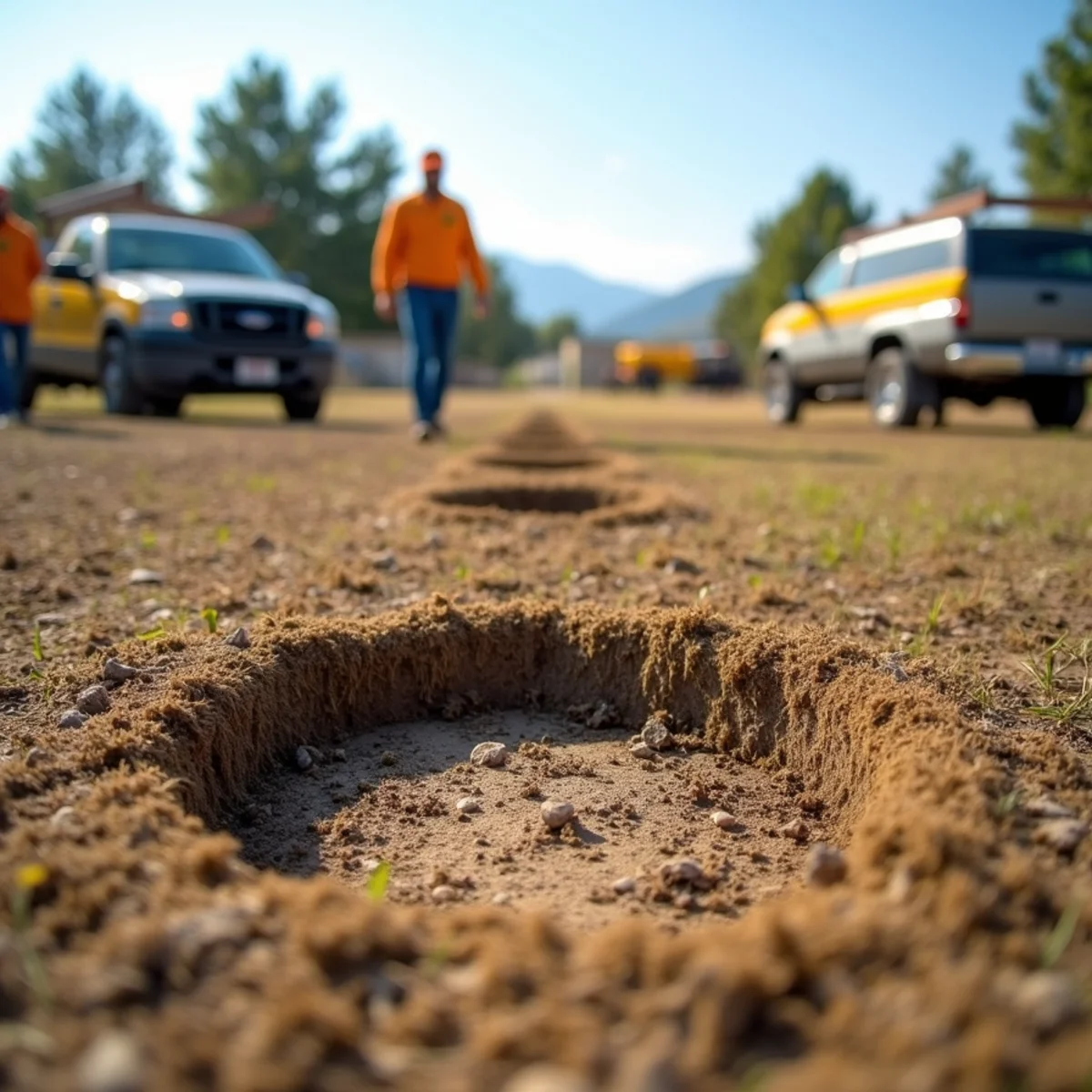
The number one killer of DIY sod is laying it on ground that was never properly prepared. Our native soil is compacted, alkaline hardpan, and setting fresh sod on top of it is like laying carpet on concrete. The roots cannot penetrate, so they stay trapped in the thin soil layer of the sod itself.
Proper prep means tilling deep enough to break up that hardpan and amending it with compost and topsoil so roots have somewhere to grow into. Skip or shortchange the tilling and the sod has no path downward. It survives on its own thin root layer for a couple of weeks, then browns out when it cannot reach moisture below.
This is the failure that fools people most, because the sod looks perfect at first. Fresh from the pallet it is green, lush, and healthy, and for a week or two it stays that way on the moisture it arrived with. The trouble only shows once those shallow roots need to reach into the ground for more water and hit hardpan they cannot penetrate. By then the homeowner assumes they did everything right, when the job was actually lost before the first roll of sod went down.
Mistake 2: Failing to Roll Sod (Air Pockets Baking Roots)
After sod is laid, it has to be rolled to press it firmly into the soil beneath. This step gets skipped constantly by DIYers who assume gravity and watering will settle it. It will not, and the gap it leaves is deadly in our climate.
Air pockets between the sod and the soil break the contact roots need to grow across into the ground. Worse, our intense sun and dry wind heat those pockets, essentially baking the tender new roots. Rolling eliminates the gaps and ensures solid soil contact so roots knit down instead of drying out in a pocket of hot air.
Mistake 3: Under-Watering During the Critical First 14 Days
New sod in the high desert needs far more water, far more often, than people expect during the first two weeks. Our dry wind pulls moisture out relentlessly, and the sod's shallow roots cannot yet reach down for more. If the soil beneath dries out even briefly in those early days, the roots die.
This means multiple short waterings a day at first, not a single daily soak, keeping the sod and the soil under it consistently moist until the roots establish. It is the single most common failure point, because homeowners water on a normal lawn schedule and the sod dries out and browns before it ever roots in.
Our wind is what makes this so unforgiving compared with milder climates. A steady breeze wicks moisture off the sod surface constantly, so even on a mild day the top can dry out within hours. Homeowners used to lawns elsewhere badly underestimate how fast this happens here. Once the edges of the sod strips curl and brown, they rarely knit back, and gaps open up at every seam. Consistent moisture through those first two weeks is not optional in the high desert; it is the whole ballgame.
- Water several times a day for the first two weeks, not once
- Keep both the sod and the soil beneath it consistently moist
- Taper watering only after roots have knit into the soil
- Our wind dries new sod far faster than most homeowners expect
Mistake 4: Laying Sod Too Late in Autumn Before Deep Freeze
Timing is a mistake people do not realize they are making until winter. Sod needs enough warm weeks to root and establish before the ground freezes hard. Lay it too late in autumn and it goes into our -25°F winter with a poorly established root system.
Sod that has not rooted in cannot withstand the deep freeze and the desiccating winter wind. It gets winterkilled and you find dead patches when the snow melts, having paid for a lawn that never had a chance. There is a window for installation here, and beating the deep freeze is part of doing it right.
How Professional Laser Grading and Soil Conditioning Guarantees Turf
Professional installation addresses every one of these failure points as a matter of routine. We till and condition the soil so roots can penetrate, grade the site so water drains properly rather than pooling or running off, and roll the sod for solid contact. Precise grading also prevents the low spots and high spots that cause uneven watering.
Just as important, we install at the right time and set you up with a watering plan matched to our climate, then stand behind the result. That combination of proper prep, correct timing, and the right aftercare is exactly what a DIY job usually lacks, and it is why our sod establishes instead of browning out.
There is real value in that accountability. When one company handles the soil prep, the grading, the installation, and the aftercare guidance as a single job, there is no question of where responsibility lies if something goes wrong, and there is every incentive to get each step right the first time. A DIY sod project, by contrast, puts all of that risk on you, at exactly the points where our climate is least forgiving. Paying for guaranteed results is often cheaper than paying twice for sod.
Get Guaranteed Sod Installation from EZ Dayz
Sod is too expensive to gamble on, and redoing a failed DIY lawn costs more than doing it right the first time. Proper prep, timing, and aftercare turn sod from a gamble into a guarantee.
Call EZ Dayz Landscaping at (323) 606-0255 for guaranteed sod installation. We serve Rock Springs and Clearview Acres, and we will prepare the ground, install at the right time, and give you the aftercare plan that makes your new lawn actually take.
New-sod aftercare: the first three weeks decide everything
Sod does not fail weeks later from bad luck; it fails in the first three weeks from a watering and rooting plan that did not account for high-desert conditions. Fresh sod is essentially a living carpet with no established connection to the soil beneath it, and until roots knit down, that thin layer of turf dries out astonishingly fast in our wind and low humidity. The goal in the first stretch is to keep both the sod and the top inch of soil beneath it consistently moist, then gradually back off to force the roots to chase water downward.
- Days 1 to 14: water lightly and often, typically multiple short cycles a day, so the sod and soil interface never dries out. In hot wind you may need to add a midday cycle.
- Days 15 to 21: reduce frequency and water more deeply per cycle to encourage roots to grow down instead of staying shallow.
- Do the tug test around day 14: gently lift a corner; resistance means roots are taking hold and you can start extending intervals.
- Hold off on mowing until the sod is anchored, then remove no more than a third of the blade and make sure the mower is not tearing up loose turf.
- Stay off new sod as much as possible; foot traffic on unrooted turf creates gaps and dry edges.
Common mistakes we see on DIY sod jobs
By the time we get called to a failing DIY lawn, the mistakes are usually baked in from before the sod ever went down. The most damaging one is not addressing the compacted hardpan underneath. Rototilling only the top inch or two over rock-hard subsoil creates a shallow pan that roots cannot penetrate and water cannot drain through, so the lawn is stressed from day one. Real preparation means loosening and amending deeper and grading it smooth so water moves the way you want.
The other classics are laying seams like brickwork but never rolling the sod, which leaves air pockets that dry the roots out and kill strips of turf; and starting too late in autumn so roots never establish before dormancy and winter heaves the pieces loose. We also see gorgeous sod laid over a lumpy grade, which guarantees dry high spots and soggy low spots forever. If you want the prep, grading, and establishment handled right, and sod that is guaranteed rather than a gamble, call (323) 606-0255 and we will scope the job.
Frequently Asked Questions
Usually poor prep or under-watering. Sod laid on compacted hardpan cannot root downward and browns once it exhausts its own thin root layer. And new sod needs watering several times a day at first, because our dry wind dries it out faster than a normal lawn schedule handles.
Yes. Rolling presses the sod into firm contact with the soil so roots can grow across into the ground. Skipping it leaves air pockets that break root contact and bake the roots in our sun and wind, a common cause of failure.
Multiple short waterings a day for the first two weeks, keeping both the sod and the soil beneath consistently moist. Our dry wind pulls moisture out fast, and the shallow new roots cannot yet reach deeper water, so a single daily soak is not enough.
It depends on the calendar. Sod needs enough warm weeks to root before the ground freezes hard, or it gets winterkilled by our deep cold and wind. Laid too late in autumn, it goes into winter poorly established and often dies. Timing is part of doing it right.
Written by the crew at EZ Dayz Landscaping
Rock Springs' high-desert landscaping specialists. Need a hand with your yard?