
Problem & Diagnosis
Snowmold & Winterkill: Diagnosing Dead Grass After Wyoming Winters
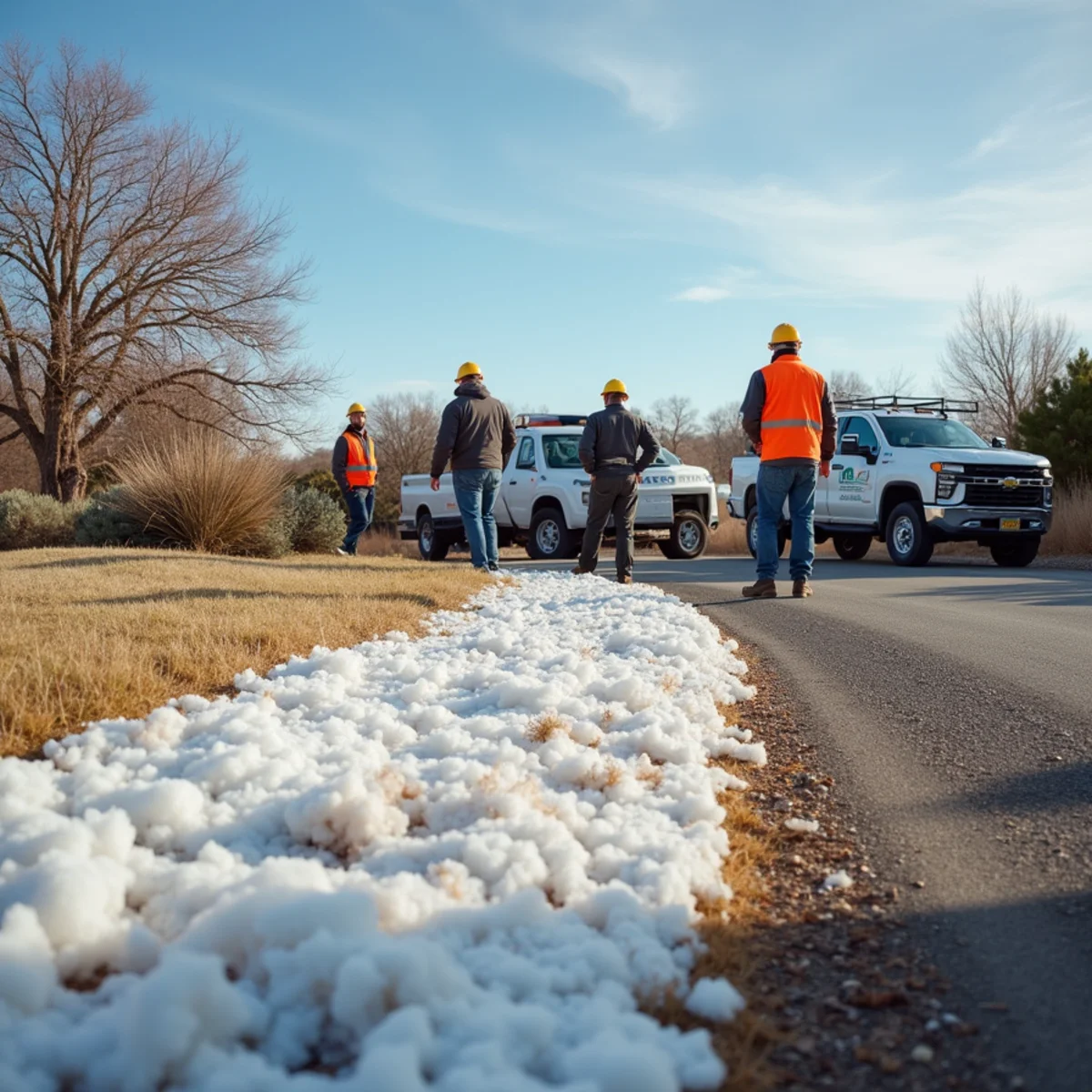
The short answer
How to tell snowmold from crown winterkill on a spring Wyoming lawn, and the power raking, aeration, and overseeding that bring the grass back.
The snow finally melts, and instead of the green lawn you were hoping for, you find matted grey patches, straw-colored dead spots, and grass that looks flattened and lifeless. After a Wyoming winter, that is a common and discouraging sight, but most of it is fixable once you know what you are actually looking at.
At EZ Dayz Landscaping, we revive winter-damaged lawns across Rock Springs and out toward Kemmerer every spring. The two main culprits are snowmold and winterkill, and they call for slightly different responses. This guide helps you tell them apart and lays out the spring work that turns a rough-looking lawn back into a healthy one.
In this guide
- What Is Snowmold? Grey vs Pink Fungal Blight Under Heavy Snowdrifts
- Crown Winterkill: How Extreme Freezes Desiccate Shallow-Rooted Turf
- Why Power Raking and Vigorous Spring Dethatching Is Mandatory in April
- Core Aeration: Relieving Deep Winter Soil Compaction
- Overseeding Bare Patches with Frost-Resilient Kentucky Bluegrass
- Get Your Lawn Revitalized This Spring
What Is Snowmold? Grey vs Pink Fungal Blight Under Heavy Snowdrifts
Snowmold is a fungal disease that develops under a persistent snowpack, especially where drifts sit deep and long. When the snow finally pulls back, you see circular matted patches with a crusty, cobwebby appearance. Grey snowmold affects mostly the blades, while pink snowmold can reach down to the crown and do more lasting harm.
The good news is that grey snowmold usually looks worse than it is. The grass crowns underneath are often alive, and the lawn recovers once the matted patches are broken up and dried out so the fungus stops. Pink snowmold needs closer attention because it can actually kill the plant, not just mat the leaves.
Snowmold thrives on a specific set of conditions we have in abundance: a thick thatch layer, lush growth heading into winter, and a deep, long-lasting snowpack that keeps the ground insulated and damp for months. The drifts that wind piles against fences and north sides of buildings are classic hotspots, because that is where snow sits longest into spring. Recognizing those patterns helps you predict where the matting will show up and address those areas first once the snow finally pulls back.
Crown Winterkill: How Extreme Freezes Desiccate Shallow-Rooted Turf
Winterkill is different: it is not a disease but outright death of the grass from winter stress. Our -25°F cold, combined with dry desiccating wind and often little insulating snow cover in exposed spots, can kill the crown, the part of the plant that regrows each spring. When the crown dies, that grass is gone.
Shallow-rooted turf and exposed, wind-scoured areas are the most vulnerable, which is why winterkill often shows up along edges, on south-facing slopes that freeze and thaw, and in spots that stayed bare of snow. Unlike snowmold, a winterkilled patch will not green up on its own, because there is no living crown left to do it.
There is an irony worth noting: snow, the thing that causes snowmold, is also what protects grass from winterkill. A consistent blanket of snow insulates the crowns from the worst of the cold and the desiccating wind. It is the bare, exposed spots, the ones the wind scours clean, that suffer winterkill, while the buried areas may only have mold. This is why the same lawn can show both problems in different places, and why diagnosing which is which guides very different repairs.
Why Power Raking and Vigorous Spring Dethatching Is Mandatory in April
The first move on a winter-damaged lawn is power raking. It tears out the dead, matted grass and the thatch layer that snowmold thrives in, and it stands the surviving grass back up so air and light reach the crowns. On a matted snowmold lawn, this alone can make a dramatic difference.
Dethatching also clears the way for everything that follows. Removing the dead layer lets water, air, seed, and nutrients actually reach the soil instead of getting hung up in a mat of last year's growth. In our climate, a vigorous spring rake is not optional maintenance; it is the step that lets the lawn recover.
Core Aeration: Relieving Deep Winter Soil Compaction
Winter compacts soil. Snow load, freeze-thaw cycles, and foot or vehicle traffic on frozen ground all press the soil tight, and compacted soil chokes roots by limiting the air and water they need. Core aeration pulls small plugs out of the lawn to open it back up.
Those channels let oxygen, water, and nutrients get down into the root zone, and they give roots room to grow. On our heavy, alkaline soils, aeration also improves the effectiveness of any amendments or fertilizer you apply afterward. It is one of the highest-value spring tasks for a struggling lawn.
The sequence matters when you combine these tasks. We generally power rake first to strip out the dead thatch, then aerate to open the soil, then overseed so the seed drops into the aeration holes and onto bare soil rather than resting on debris, and finally feed to fuel recovery. Doing them in that order, at the right time in spring, turns four separate chores into one coordinated revival that gives a winter-beaten lawn everything it needs to bounce back in a single pass.
Overseeding Bare Patches with Frost-Resilient Kentucky Bluegrass
Where winterkill or heavy snowmold has left bare ground, the grass will not come back on its own and needs to be reseeded. Overseeding those patches with a cold-hardy, high-altitude Kentucky Bluegrass blend fills them in with turf bred to survive the conditions that killed the old grass.
Timing and contact matter. Seed goes down after power raking and aeration so it reaches soil rather than sitting on thatch, and it needs consistent moisture to germinate in our dry spring wind. Done right, overseeding knits the bare spots back into the surrounding lawn within a few weeks.
Choosing the right seed for those repairs is just as important as the technique. Filling winterkilled patches with a cheap, generic mix undoes the point of the exercise, since that grass will struggle against the same conditions that killed the original turf. Matching the overseed to a cold-hardy, high-altitude blend that suits your existing lawn keeps the color and texture consistent and gives the new grass a real chance to survive its first winter. Repairing a lawn well means finishing with turf built for where you live.
Get Your Lawn Revitalized This Spring
A rough-looking spring lawn is not a lost cause. With the right sequence, power rake, aerate, overseed, and feed, most winter-damaged lawns bounce back strong. The key is doing it early, while the grass is waking up and before weeds move into the bare spots.
Call EZ Dayz Landscaping at (323) 606-0255 to book a spring lawn revival. We serve Rock Springs and Kemmerer, and we will diagnose whether you are dealing with snowmold, winterkill, or both, then get your lawn back on track for the season.
Telling snow mold and winterkill apart
When the snow finally pulls back, a lot of lawns look rough, and knowing what you are looking at decides how you treat it. Snow mold shows up as matted, circular patches with a webby cast to the grass, grey in the milder form and pink in the more damaging one. Winterkill is different: the crown of the plant itself froze out, usually in exposed or poorly drained spots, and those areas will not green up at all no matter how you water.
The quick field test is to tug on the patch. Snow-mold grass often revives once it dries out and gets raked open, while true winterkill pulls up dead with no living crown, telling you that area needs to be reseeded rather than nursed back.
- Grey webby matting that recovers when raked and dried: snow mold.
- Pink-tinged patches: the more aggressive snow mold, watch these closely.
- Straw-dead patches with no living crown that never green up: winterkill, plan to reseed.
The spring recovery sequence that brings a lawn back
Fixing winter damage is a sequence, and skipping steps just wastes the seed. Doing it in order gives cold-hardy Kentucky Bluegrass the open, aerated seedbed it needs to fill back in.
- Power rake to lift the matted snow-mold thatch and open the canopy so it can dry and breathe.
- Core aerate to relieve winter compaction and let water, air, and seed reach the root zone.
- Overseed the thin and winterkilled areas with quality bluegrass while the soil is cool and moist.
- Keep the seedbed damp through germination, then ease into normal watering.
Get it done in the narrow spring window
There is a short stretch in spring when the ground is workable and still cool and moist, which is exactly when overseeding takes best. Miss it and you are fighting summer heat on tender new grass. To get your lawn power raked, aerated, and overseeded while that window is open, call (323) 606-0255.
Frequently Asked Questions
Snowmold shows as matted, crusty grey or pink circular patches after snowmelt, and the grass underneath is often still alive. Winterkill leaves straw-colored dead patches with no living crown, common in wind-scoured or south-facing spots, and it will not green up on its own.
Grey snowmold usually recovers once the matted patches are power raked and dried out, since the crowns underneath are typically alive. Pink snowmold can kill the crown and may leave bare spots that need overseeding, so it warrants closer attention.
It removes the dead, matted grass and thatch that snowmold thrives in and stands surviving grass back up so air and light reach the crowns. It also lets water, seed, and nutrients reach the soil, which is essential for recovery in our climate.
Early, as the grass wakes up in spring and before weeds colonize the bare spots. Power raking, aeration, and overseeding done promptly give the lawn the whole season to fill back in and establish before the next winter.
Written by the crew at EZ Dayz Landscaping
Rock Springs' high-desert landscaping specialists. Need a hand with your yard?