Cost & Pricing
Cost of Sod Installation in Rock Springs: Kentucky Bluegrass Guide
The short answer
A straight-talk breakdown of what sod installation costs in Rock Springs, from pallet freight and soil amendment to the watering that gets roots established in high-desert wind.
If you have ever priced a new lawn in Rock Springs and walked away confused, you are not alone. Sod installation costs here are not the same as they are down in Denver or out in Salt Lake, and the reason comes down to our ground and our climate. At 6,388 feet, with alkaline soil sitting north of pH 8.0 and winds that regularly top 50 MPH, the cheap-looking bid is almost never the one that gives you a lawn that survives its first winter.
At EZ Dayz Landscaping, we are a family-owned crew that has installed sod across Sweetwater County for years, and we believe you deserve to know where every dollar goes before you sign anything. This guide walks through the real cost drivers of a Kentucky Bluegrass lawn in our high desert, so you can budget honestly and avoid the surprise expenses that sink so many do-it-yourself projects.
In this guide
- Why High-Altitude Kentucky Bluegrass Is the Gold Standard in Wyoming
- Per-Square-Foot Cost Breakdown: Pallet Freight, Ground Prep & Soil Tilling
- Overcoming Rocky Alkaline Soil: Compost and Topsoil Amendment Costs
- Initial Watering Costs and Establishing Deep Root Systems in Desert Wind
- 5-Year Cost Comparison: Seeding vs Instant Mature Sod Turf
- How to Schedule a Free Lawn Measurement with EZ Dayz Landscaping
Why High-Altitude Kentucky Bluegrass Is the Gold Standard in Wyoming
Kentucky Bluegrass earns its reputation in Rock Springs because it is one of the few cool-season turfgrasses that shrugs off our -25°F winter lows and still greens up thick every spring. It spreads by underground rhizomes, which means it knits itself back together after foot traffic, snow load, and the inevitable dog paths that show up by July.
Not all bluegrass is created equal, though. The sod that thrives here is grown from cold-hardy, high-altitude cultivar blends bred for elevation and short growing seasons, not the softer lowland varieties you might find at a big-box store. Paying a little more for a proper northern blend is the single best insurance policy against winterkill.
The tradeoff is that bluegrass wants consistent water while it establishes and a soil bed that actually lets its roots dig in. That is exactly where our local ground fights back, and why the prep work matters as much as the grass itself.
Per-Square-Foot Cost Breakdown: Pallet Freight, Ground Prep & Soil Tilling
Sod is priced by the square foot, but the number on a pallet is only the beginning. In our region, installed bluegrass sod typically runs in the range of a couple of dollars per square foot on the low end to several dollars per square foot once you factor in delivery, tilling, and labor. The wide spread reflects how much prep a given yard needs.
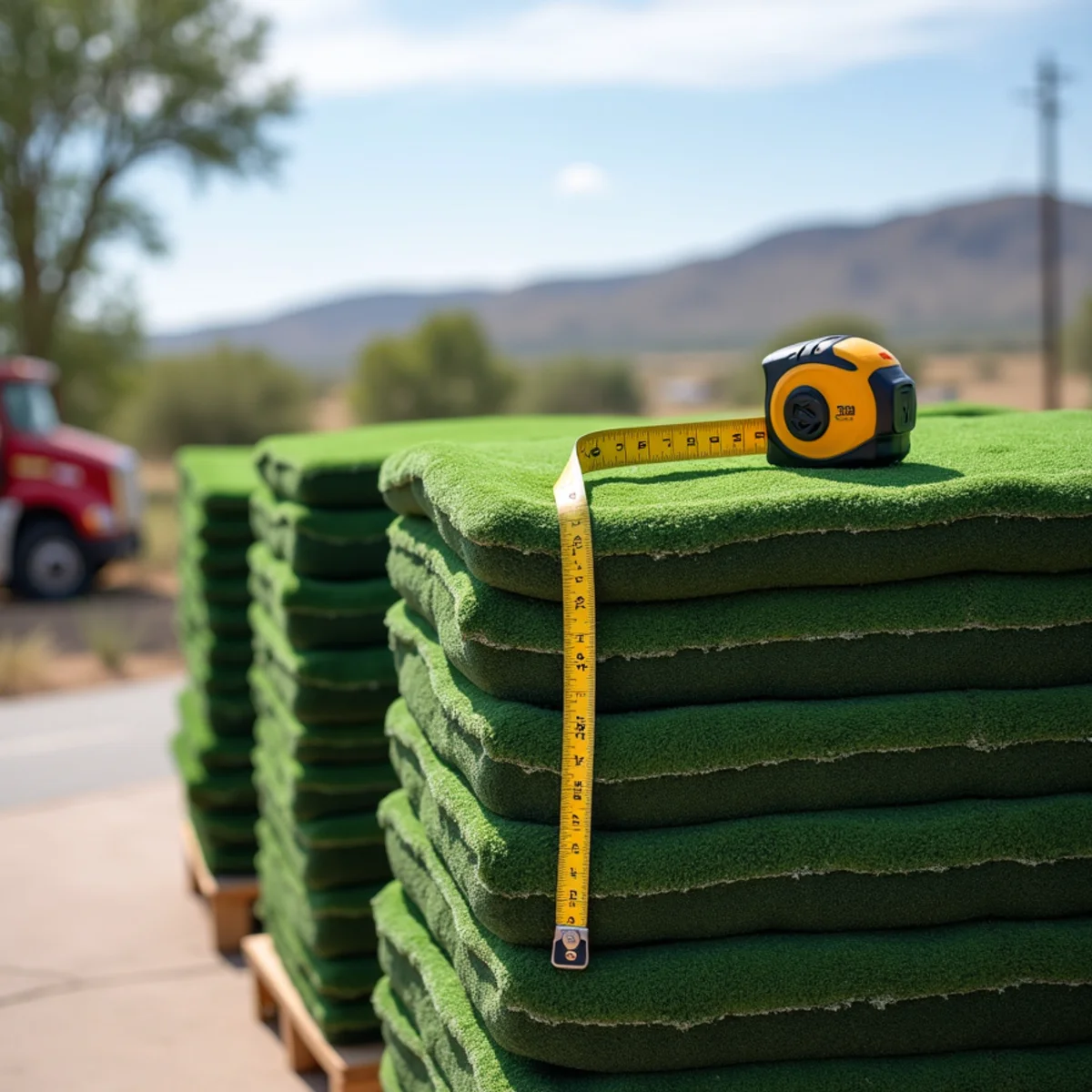
Freight is a real line item out here. Quality high-altitude sod is not grown next door, so pallets travel, and fuel plus the tight harvest-to-install window both push the delivered price up. Fresh sod has to go down within a day or two of being cut, which means scheduling has to be tight.
- Sod material and freight: the pallets themselves plus trucking to Sweetwater County
- Ground prep and tilling: breaking up compacted hardpan so roots can penetrate
- Grading: leveling and sloping the bed for drainage away from your foundation
- Labor: cutting, fitting, seaming, and rolling the sod for solid soil contact
Overcoming Rocky Alkaline Soil: Compost and Topsoil Amendment Costs
The biggest hidden cost in a Rock Springs lawn is fixing the dirt underneath it. Our native soil is alkaline, often rocky, and frequently compacted into hardpan that water simply runs off of. Lay premium sod straight onto that and you have essentially set a green carpet on concrete.
To give roots a fighting chance, we amend the top few inches with compost and quality topsoil, then till it in so the transition zone between sod and native ground is not an abrupt barrier. This amendment is usually charged by the cubic yard, and the amount depends on how poor your existing soil is.
Amending also starts the long project of nudging soil chemistry in the right direction. Alkaline ground locks up nutrients, so building organic matter now saves you money on corrective fertilization later. It is one of those spots where spending a bit up front genuinely lowers your total cost of ownership.
Initial Watering Costs and Establishing Deep Root Systems in Desert Wind
New sod in the high desert drinks. For the first two to three weeks, the soil under fresh bluegrass cannot be allowed to dry out, and our relentless wind pulls moisture out of the ground faster than most homeowners expect. That means several short watering cycles a day at first, which shows up on your water bill.
The goal of all that water is deep roots. Once the sod knits down, we taper watering to encourage roots to chase moisture downward instead of staying shallow. A deep-rooted bluegrass lawn is far more drought-tolerant and far cheaper to keep alive through a dry July than one that was watered lazily during establishment.
Budgeting a modest bump in your summer water bill during the establishment month is smart planning. It is temporary, and it is the difference between sod that takes and sod that browns out in the first hot, windy stretch.
5-Year Cost Comparison: Seeding vs Instant Mature Sod Turf
Seeding a lawn looks cheaper on day one, and in raw material cost it is. But at our elevation, with our wind and short season, seed is a gamble. Windblown seed, slow germination, weed competition, and the need to reseed thin spots for two or three seasons all add real cost and real waiting.
Sod delivers an instant, mature, weed-resistant lawn that is usable within weeks instead of years. Over a five-year horizon, the gap between the two narrows considerably once you count reseeding, extra weed control, and the lost use of your yard while seed struggles to fill in.
- Seeding: lower upfront material cost, but multiple seasons of reseeding, weeding, and thin coverage
- Sod: higher upfront cost, immediate usable lawn, strong weed resistance, predictable results
- Five-year view: the two often land closer than expected once redo costs are counted
How to Schedule a Free Lawn Measurement with EZ Dayz Landscaping
The only way to get an accurate sod number for your property is to measure the yard, test how bad the soil is, and look at your grade and drainage in person. That is exactly what we do before we ever quote a job, and there is no charge for the visit.
As a local, family-owned company, we would rather give you an honest figure and a plan that lasts than win a job with a lowball bid that fails by spring. Call EZ Dayz Landscaping at (323) 606-0255 to set up a free lawn measurement, and we will walk you through what your specific yard needs to grow a bluegrass lawn that handles Wyoming.
Pro tips from the EZ Dayz crew on stretching your sod budget
The single biggest way to control cost on a sod job is timing your ground prep. When we grade and amend a yard while the soil still holds a little spring moisture, we get a clean, level seedbed in one pass. Come to us in the dry heat of late July and that same ground has baked into concrete, which means more machine time and a higher labor line on your bill.
We also tell homeowners to order sod in full pallets whenever the square footage is close. A partial pallet still gets cut, wrapped, and freighted from the farm, so the per-roll price on a half order rarely saves what people expect. If you are within a hundred square feet of the next pallet, rounding up and using the extra to patch a side yard is almost always the better value.
- Prep in spring or early fall moisture, not baked mid-summer ground.
- Round up to full pallets instead of paying premium partial-pallet cuts.
- Have the irrigation trenched and capped before sod arrives so rolls are not sitting on a pallet losing quality.
Common mistakes we see that quietly raise the final price
The costliest mistake is laying fresh sod over compacted, unamended high-desert fill. It looks fine for two weeks, then the roots hit that dense alkaline layer, stall out, and half the yard yellows. Redoing a failed section is far more expensive than doing the amendment right the first time, so we never skip the tilling and gypsum step even when a client asks us to trim it to save money.
The second mistake is under-planning water. A new lawn in Rock Springs needs to stay damp through establishment, and folks who try to hand-water a full backyard almost always miss spots that then die back. If you want a real number for your specific yard rather than a ballpark, call us at (323) 606-0255 and we will walk the property and measure it with you.
Frequently Asked Questions
For most homeowners here, yes. Our wind, short season, and weed pressure make seeding slow and unreliable, while sod gives you an instant, mature lawn. Over several years the total cost often evens out once you count reseeding and extra weed control on a seeded lawn.
Late spring through early fall works well, as long as the sod has enough warm weeks to root before a hard freeze. We avoid laying sod too late in autumn, because roots that have not established get desiccated by our deep winter cold.
Our native ground is alkaline and often compacted into hardpan that water runs off of. Tilling in compost and topsoil creates a bed roots can actually penetrate and starts improving the soil chemistry that otherwise locks up nutrients.
Plan on several short cycles a day for the first two to three weeks. Our dry wind pulls moisture out fast, so the soil under fresh sod cannot be allowed to dry. Watering tapers off once the roots knit down and start chasing moisture deeper.
Written by the crew at EZ Dayz Landscaping
Rock Springs' high-desert landscaping specialists. Need a hand with your yard?