
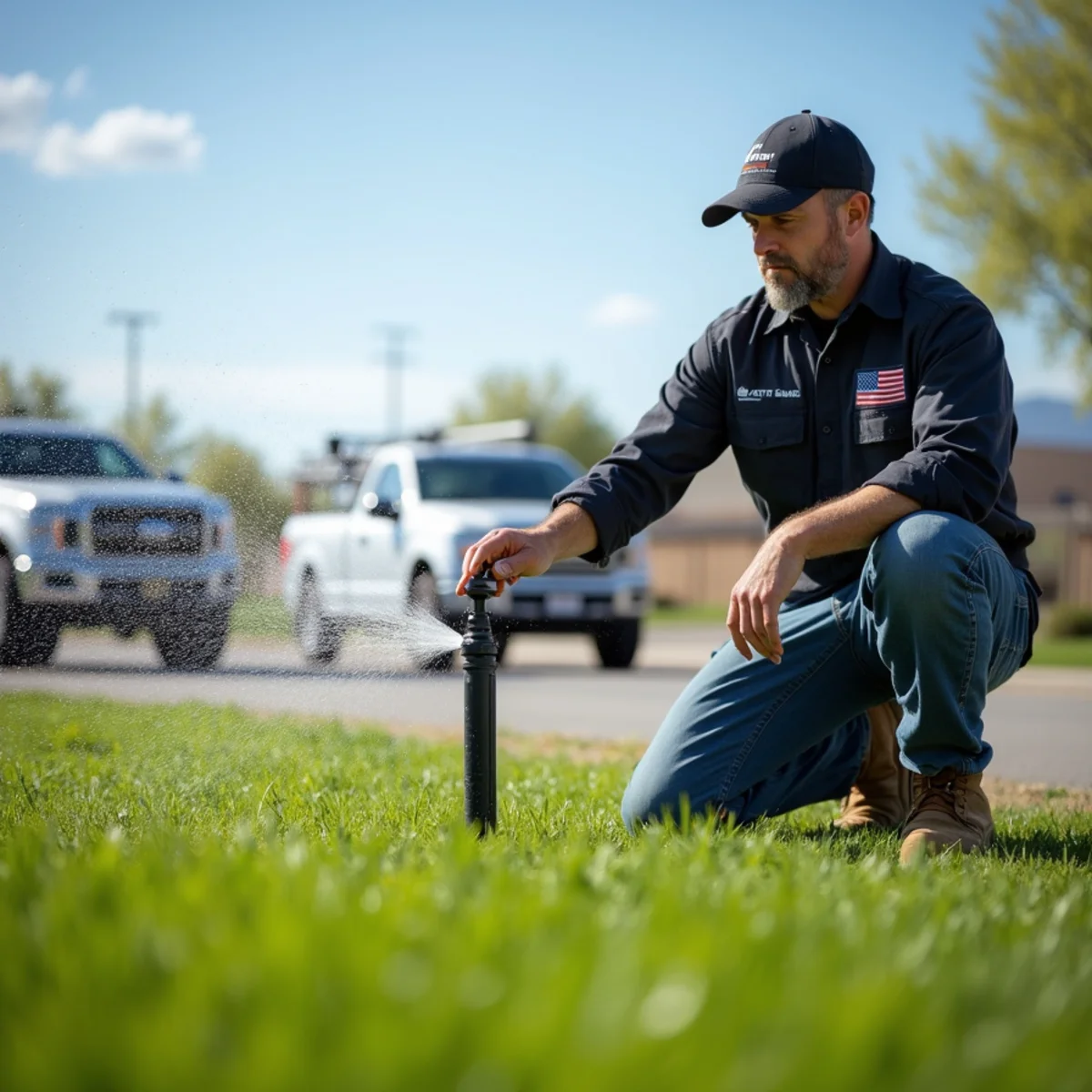
Turning a sprinkler system back on in spring is not just flipping a valve. Charging a dry system too fast sends a pressure surge, called water hammer, through the pipes that can crack fittings and blow heads, and it's the moment any damage from winter's freeze reveals itself. Done carefully, spring activation is also your best chance to catch small problems and tune the system for an efficient season.
EZ Dayz Landscaping activates residential and commercial systems the right way: pressurizing the backflow and mainline slowly, walking every zone to check for freeze leaks, and tuning each head for full, even coverage with no waste. Call (323) 606-0255 to schedule your spring startup and get the season started right.
Signs You Need Sprinkler Activation in Rock Springs
Water hammer on startup
Charging a dry system too fast slams the pipes with a pressure surge that can crack fittings and blow heads, damage that a slow, careful activation avoids entirely.
Hidden freeze damage
Winter often leaves cracked lines or valves that look fine until the system pressurizes. Startup is when they leak, and when they need to be found.
Misaligned, clogged, or broken heads
Heads shift, sink, clog, and break over winter and mowing. Off-target or blocked heads leave dry patches and waste water on the driveway.
Wasteful, uneven coverage
A system that's never tuned overwaters some spots and starves others, driving up your water bill and leaving brown patches, a real concern under local conservation rules.
Slow, careful pressurization
The most important part of a spring startup happens before any zone runs. We open the water supply slowly and let the mainline and backflow fill gradually, bleeding air as we go, so the system charges without the pressure surge that cracks fittings and blows heads. Rushing this step is one of the most common ways a DIY startup does expensive damage.
As the system comes up to pressure we watch the backflow assembly and mainline closely, because these are the components most likely to reveal a winter freeze crack the moment they're charged. Catching a leak here, before it runs unattended, prevents wasted water and further damage.
Checking for freeze damage
Spring activation is the moment of truth for how the system wintered. We run each zone and walk it, looking for the tells of freeze damage: geysers from cracked lines, soggy patches over underground breaks, weeping valves, and cracked or shattered backflow components. Finding and flagging these now means they get fixed before they flood or waste water all season.
- Every zone run and walked for leaks
- Backflow and valves inspected under pressure
- Underground break signs (soggy spots) identified
- Any freeze damage flagged for repair
Head tuning and coverage
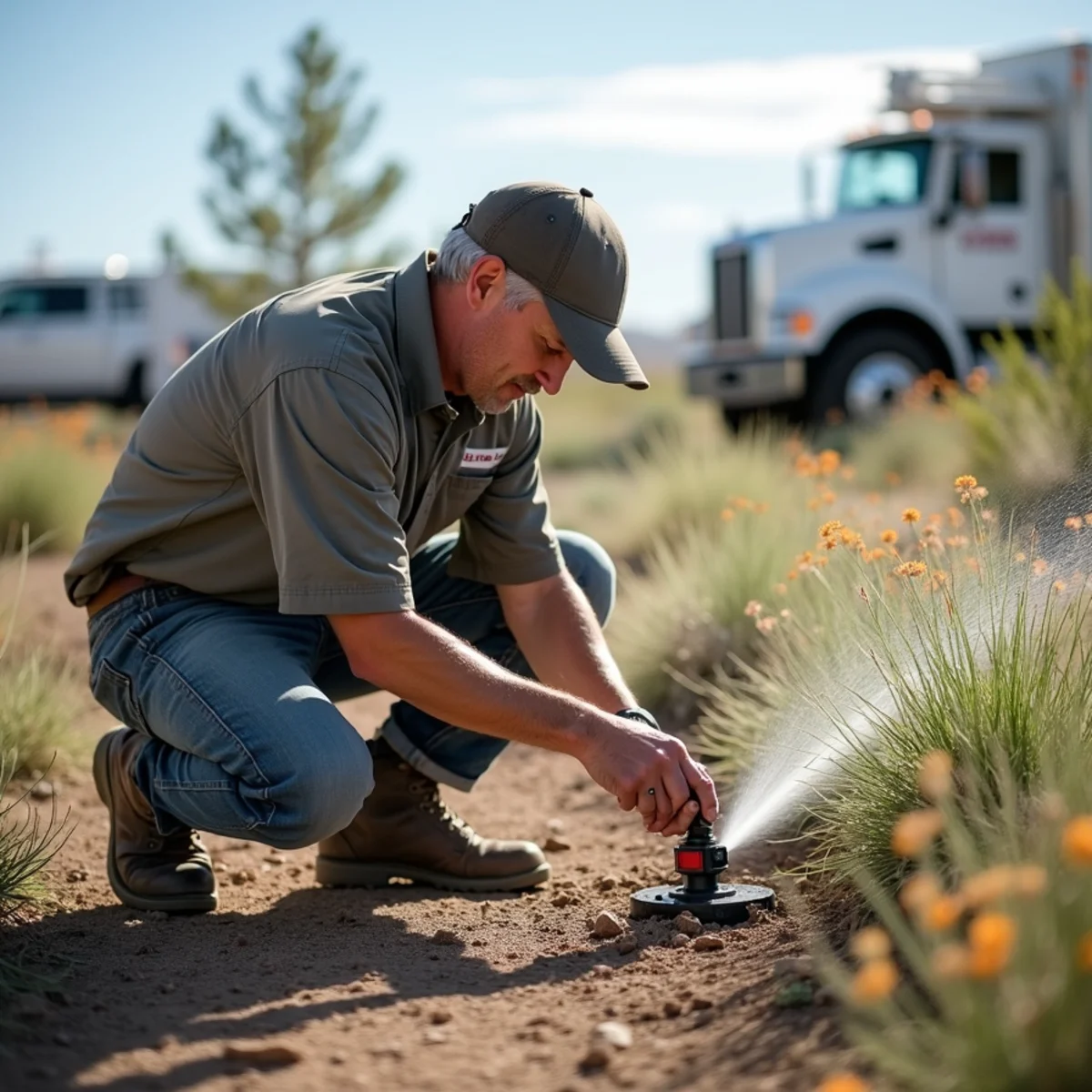
With the system sound, we tune it. We clean or replace clogged and broken heads, straighten and reset those that have sunk or shifted, and adjust spray patterns and rotor arcs so water lands on the lawn and beds, not the sidewalk, driveway, or fence. Proper head-to-head coverage eliminates dry patches and stops the waste that off-target heads cause.
Controller programming for the season
Finally, we program the controller for spring conditions and set a schedule that waters deeply and efficiently, which suits our high-desert climate and keeps you within local water-conservation guidelines. We'll walk you through the settings so you can adjust as the season heats up, and note anything worth addressing before summer demand peaks.
Efficient coverage is where a tuned system pays for itself. Off-target, clogged, and broken heads waste water on the driveway and fence while leaving dry patches you then overwater to compensate, which drives up the bill and works against the conservation rules that apply here. By dialing in proper head-to-head coverage and a deep, infrequent schedule, the whole lawn gets what it needs without the waste, and we time activation to the year so a late freeze never catches a newly charged system before the hard-freeze risk has truly passed.
Our Process
- 1
Schedule spring startup
We book activation once the hard-freeze risk has passed so the system can safely stay charged.
- 2
Pressurize slowly
We open the supply gradually, bleed air, and bring the backflow and mainline up without water hammer.
- 3
Inspect every zone
We run and walk each zone, checking for freeze leaks and flagging any damage.
- 4
Tune the heads
We clean, reset, and adjust heads for full, even coverage with no overspray.
- 5
Program the controller
We set an efficient watering schedule for the season and show you how to adjust it.
What Affects the Price
Every property is different, so we quote each job after a free walk-through. Here's what shapes your estimate — no guesswork, no surprises.
Number of zones
More zones mean more to pressurize, walk, and tune, the main driver of activation time.
System size and complexity
Large properties, drip zones, and complex controllers take longer to start up and program than a simple system.
Repairs found at startup
Activation is a set service, but any freeze damage or broken heads discovered are additional repair work if you want them fixed.
Head adjustments and replacements
Systems needing many heads cleaned, reset, or replaced take more time than one that's in good shape.
Residential vs. commercial
Commercial and HOA systems with extensive zones are quoted on scope versus a standard home system.
Ready for Sprinkler Activation? Get a Free Estimate.
Same-day and next-week scheduling across Sweetwater County & Southwest Wyoming.
Sprinkler Activation FAQs
Once the risk of a hard freeze has reliably passed, so the system can stay charged without refreezing. Turning it on too early at our elevation risks a late freeze cracking a now-charged line. We time activation to the season and can advise when it's safe based on the year's conditions.
The main risk is water hammer, charging a dry system too fast sends a pressure surge that can crack fittings and blow heads. A proper startup pressurizes slowly and bleeds air to avoid that. It's also the key moment to catch winter freeze damage before it runs unattended and wastes water or floods, which is easy to miss if you don't know the signs.
When we bring the system up to pressure and run each zone, any freeze crack reveals itself, geysers from broken lines, soggy patches over underground breaks, weeping valves, or a cracked backflow. We walk every zone specifically looking for these, so damage gets flagged and fixed early rather than wasting water all summer or turning into a flood.
It helps. Off-target, clogged, and broken heads waste water on hardscape and leave dry patches you then overwater to compensate. Tuning for proper head-to-head coverage and setting an efficient, deep-watering schedule reduces waste, which matters both for your bill and for staying within local water-conservation rules.
Yes, and we recommend pairing them. A careful spring activation and a complete fall blowout are the two bookends that keep a system healthy and prevent freeze bursts. Many clients put both on a seasonal schedule with us so nothing gets skipped and the system is protected year-round.